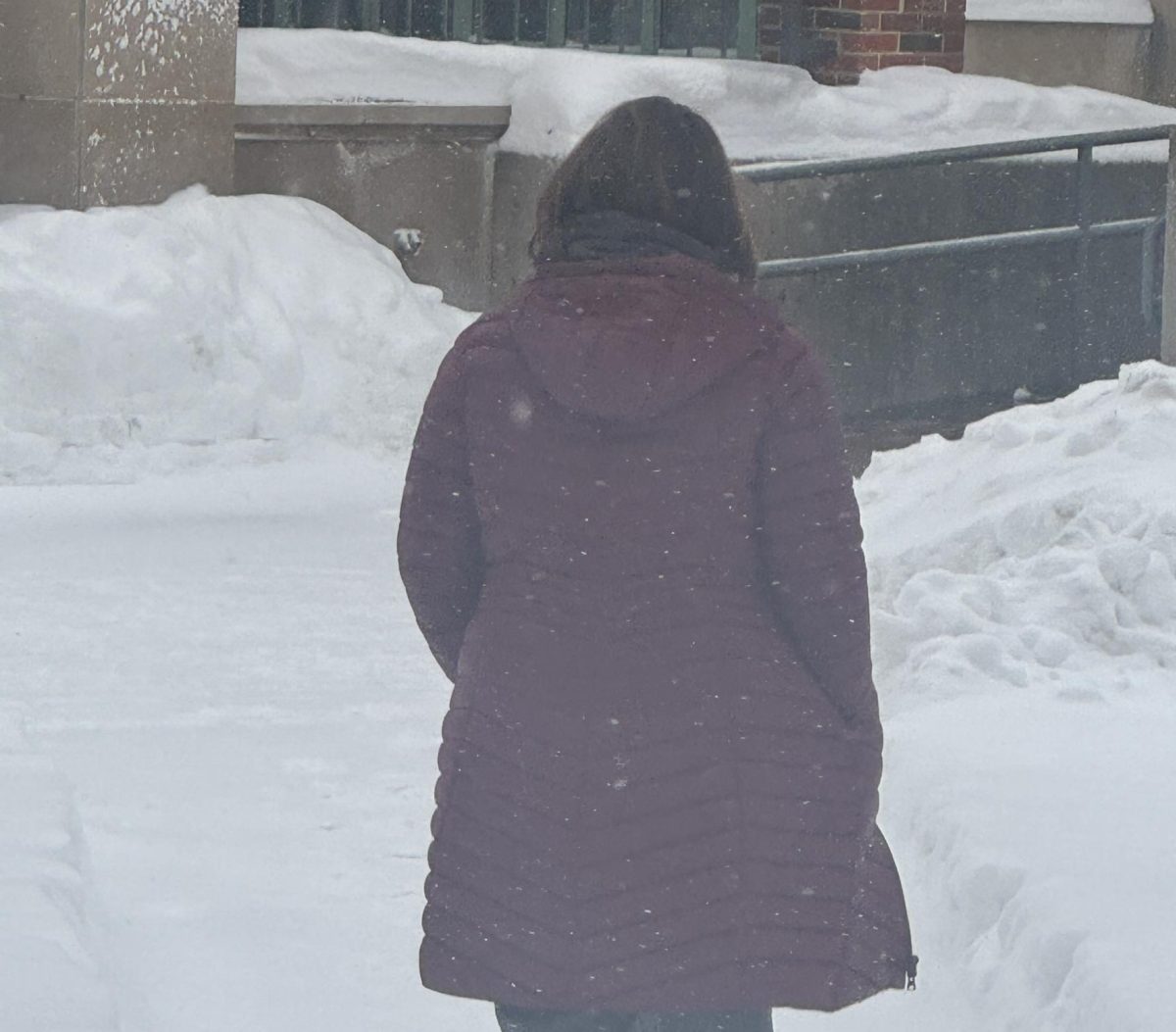
Blistering cold, heavy snow and icy roads forced John Carroll University to cancel all in-person classes and move to reduced operations Monday and Tuesday, as dangerous winter weather swept across Northeast Ohio.
In an email sent to the campus community, university officials announced that there will be no in-person classes on Jan. 26 and 27. Classes that are able to meet remotely are encouraged to do so at the discretion of individual professors, and students were advised to check Canvas for course-specific instructions.
“Due to the extreme cold and snow, the University will move to reduced operations for Tuesday, January 27, 2026,” an email stated. “There will be no in-person classes. However, all classes that can meet remotely should do so.”
The decision comes as a powerful winter storm system continues to impact large portions of the country, bringing dangerous travel conditions, icy roads and bitterly cold temperatures. According to the National Severe Storms Laboratory, a winter storm is a weather event in which snow, sleet or freezing rain is the main form of precipitation. It forms when cold air, moisture and lifting mechanisms combine, often creating hazardous travel and dangerous conditions.
According to the National Weather Service, Cleveland experienced extreme winter conditions from Jan. 19 through Jan. 26, with daytime high temperatures ranging from 10 to 18 degrees and overnight lows falling between minus 5 and minus 15 degrees. Wind chills across Northeast Ohio dropped as low as 20 to 25 degrees below zero, prompting cold weather advisories and extreme cold warnings throughout the week. The region also recorded several inches of snow, contributing to icy roads and hazardous driving conditions. Weather data and forecasts were provided by the National Weather Service’s Cleveland office.
Many students reported treacherous conditions on the roads during the morning commute. “It took me nearly twice as long to get here,” said Trent Lindh ‘28. “The roads were icy, and cars were sliding on the highway. I’m glad classes are remote today; it just wasn’t safe to be driving.”
While classes were moved off campus, facilities and grounds crews remained active throughout the storm to keep walkways and roadways as safe as possible.
Jeremy Johnson, director of Physical Plant at JCU, said winter weather events of this scale require significant resources and extended work hours.
“A big snow or ice event can use four tons of salt, or even more, to salt all of campus,” Johnson said. “Depending on the situation, this can be needed more than once in a day.”
Johnson said the university has not been immune to broader regional salt shortages affecting many municipalities and institutions this winter.
“We have had to be more strategic about our salt usage and have had to travel further out to purchase salt,” he said. “Salt is also more expensive this year.”
To reduce waste, Johnson said the university’s grounds contractor, Turfscape, prioritizes scraping surfaces before applying salt, which limits how much material is needed during each treatment.
Snow and ice removal on campus is handled by Turfscape’s grounds crews, who deploy both personnel and heavy equipment during winter weather events.
“Turfscape’s grounds crews typically have 10 to 15 people per snow or ice event, with about eight major pieces of equipment running,” Johnson said.
Those efforts often require long hours, particularly when storms arrive overnight or continue for multiple days.
“All facilities crews work as much as is needed to keep the campus safe,” Johnson said. “For Turfscape’s grounds team, 15-hour days are normal during snow and ice events.”
Johnson added that crews frequently work through the night to ensure the campus is accessible by morning.
“They will work all hours of the night to open up the campus in the morning,” he said. “They will even stay on campus overnight in the basement of the Dolan Science Center to be ready to start plowing at a moment’s notice.”
As the storm continues, officials are urging students, faculty and staff to take winter weather precautions.
People should dress in layers, wear insulated boots and gloves, and avoid unnecessary travel during icy conditions, according to CNN’s winter storm preparation guidance. Drivers are encouraged to keep emergency supplies in their vehicles, including blankets, food, water and a charged phone.
Experts also warn against overexertion while shoveling snow and stress the importance of clearing ice carefully to prevent slips and falls. Using outdoor heating devices or grills indoors is strongly discouraged due to the risk of carbon monoxide poisoning.
University officials said they will continue to monitor weather conditions and will provide updates as needed regarding campus operations later in the week.
Students, faculty and staff are encouraged to stay informed through official university communications and to prioritize personal safety as the winter storm persists.